





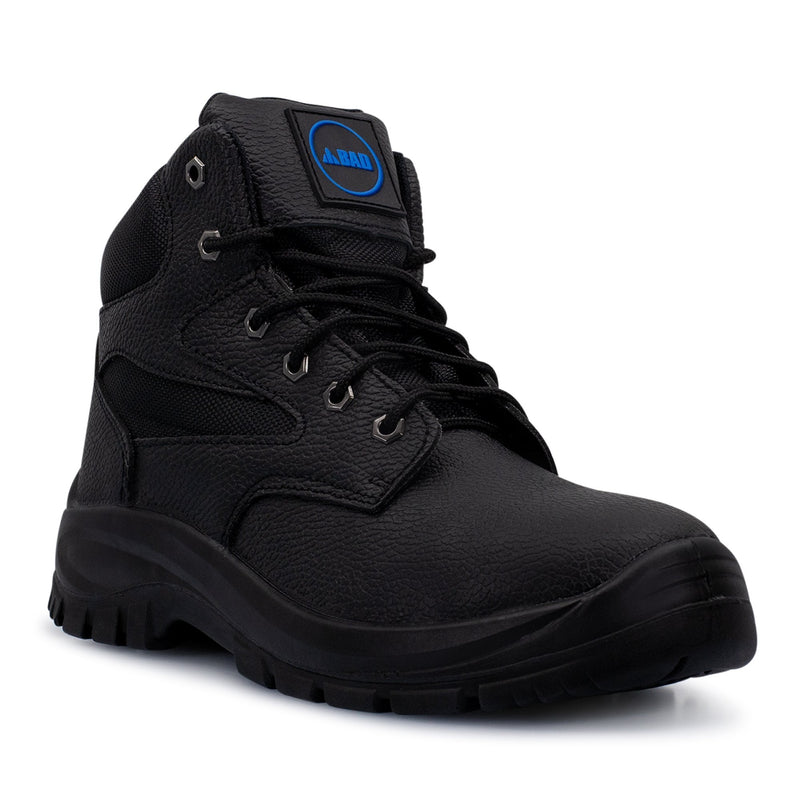

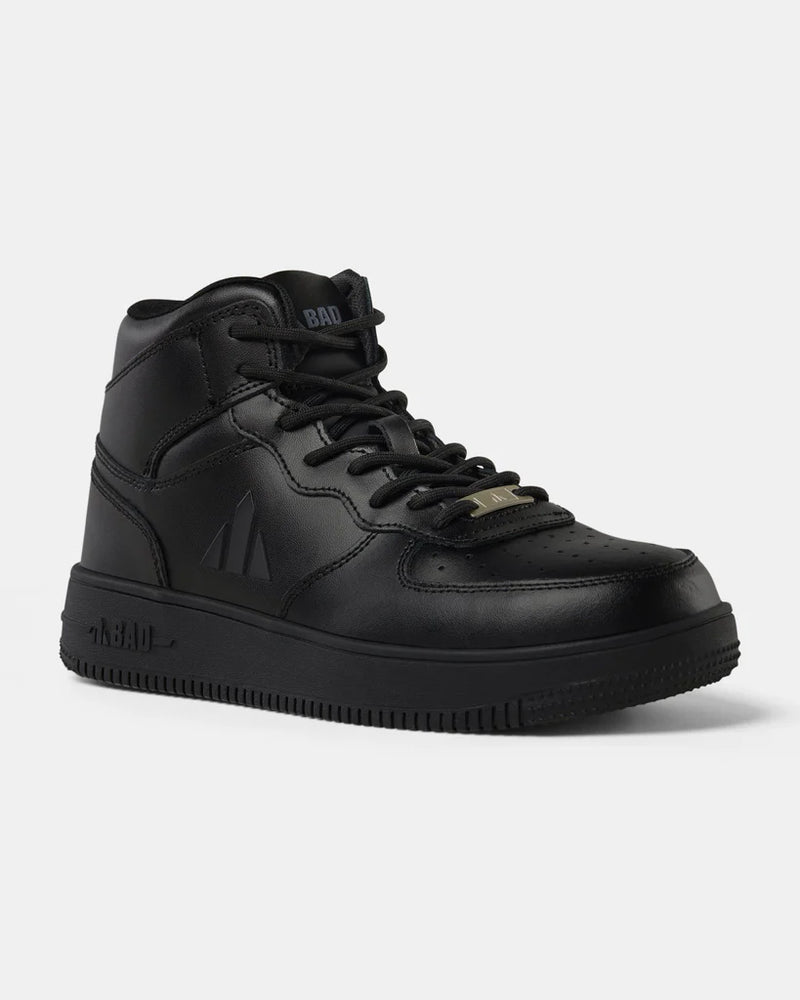
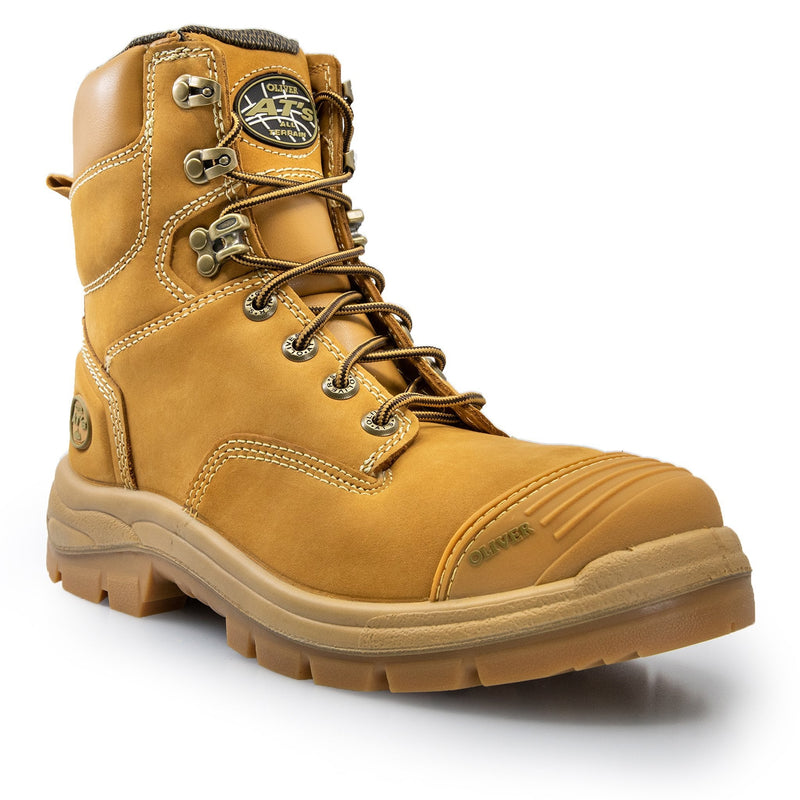
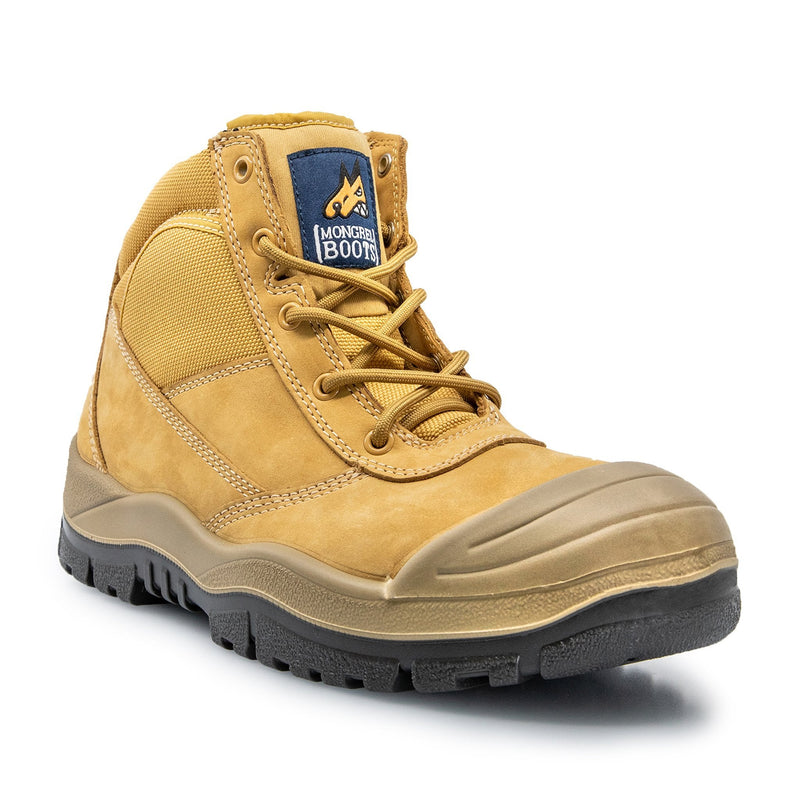
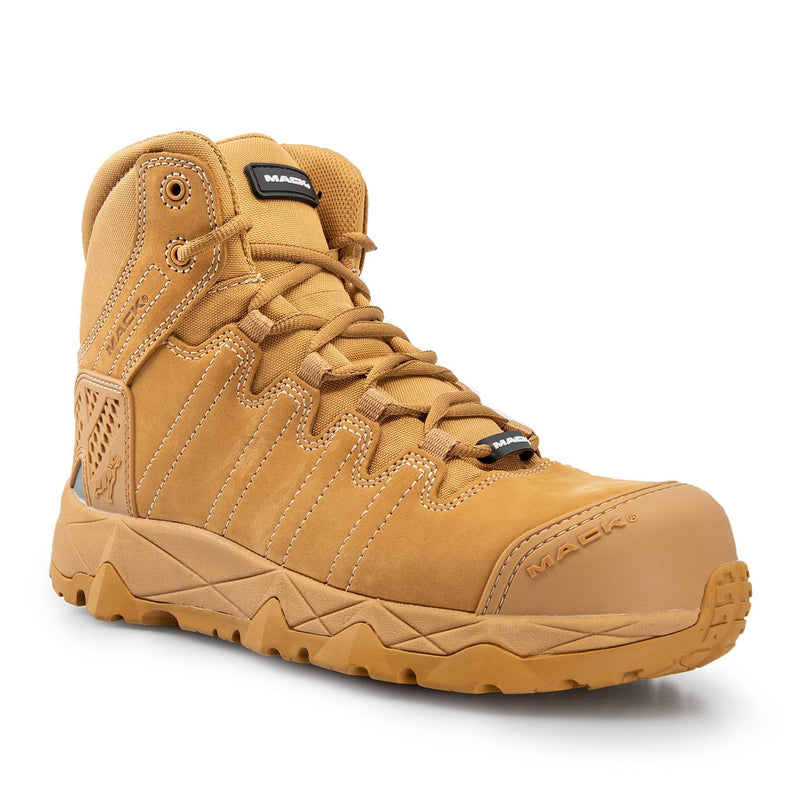
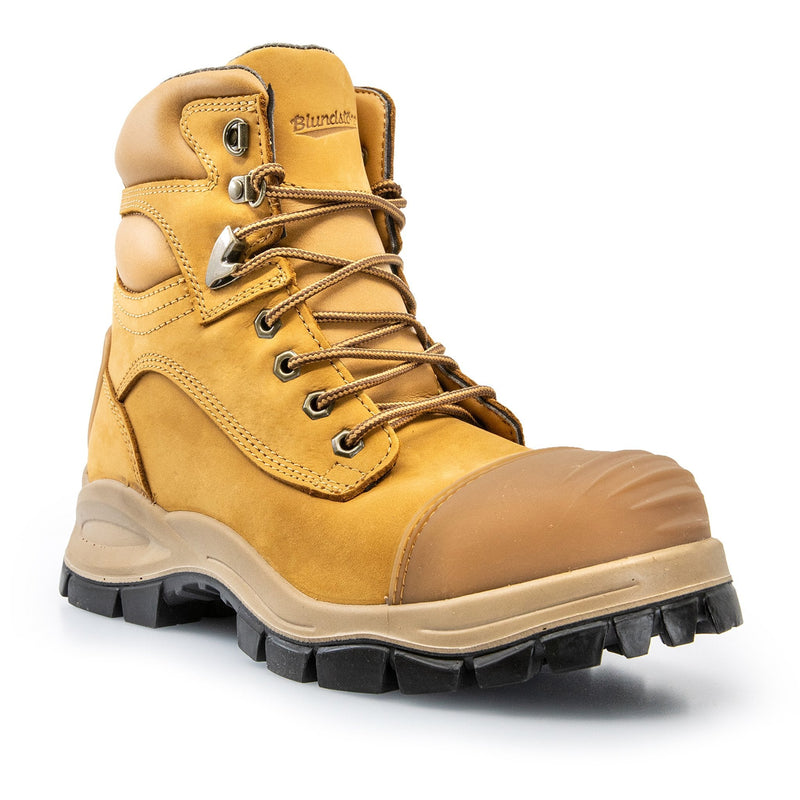
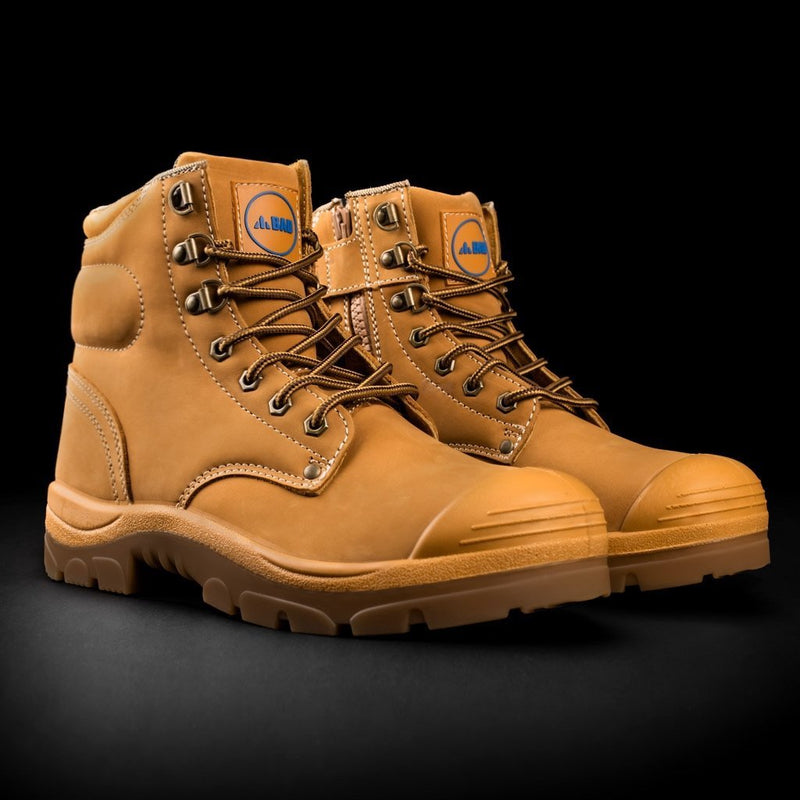
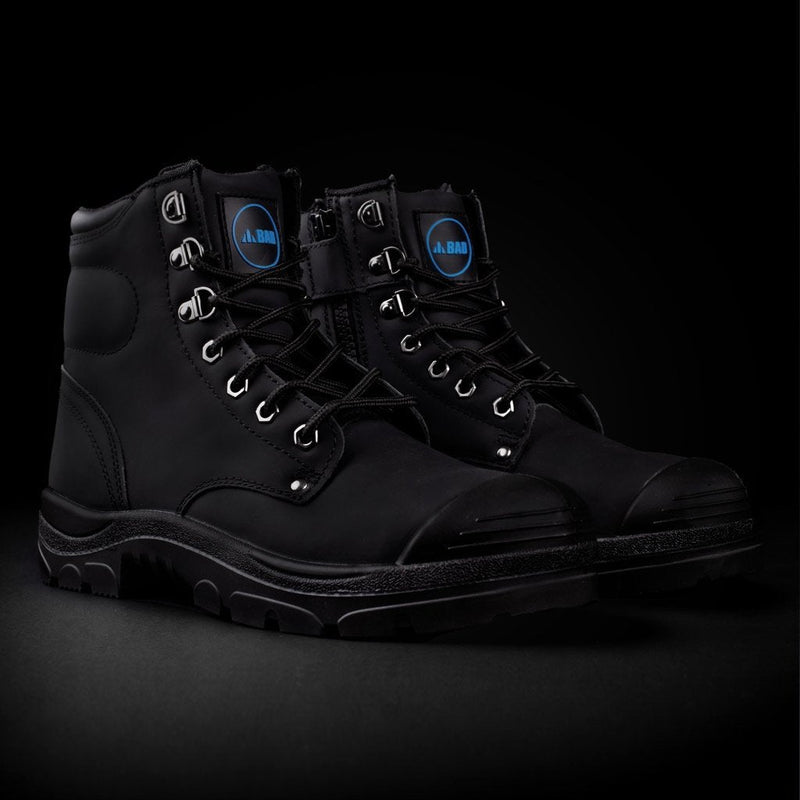
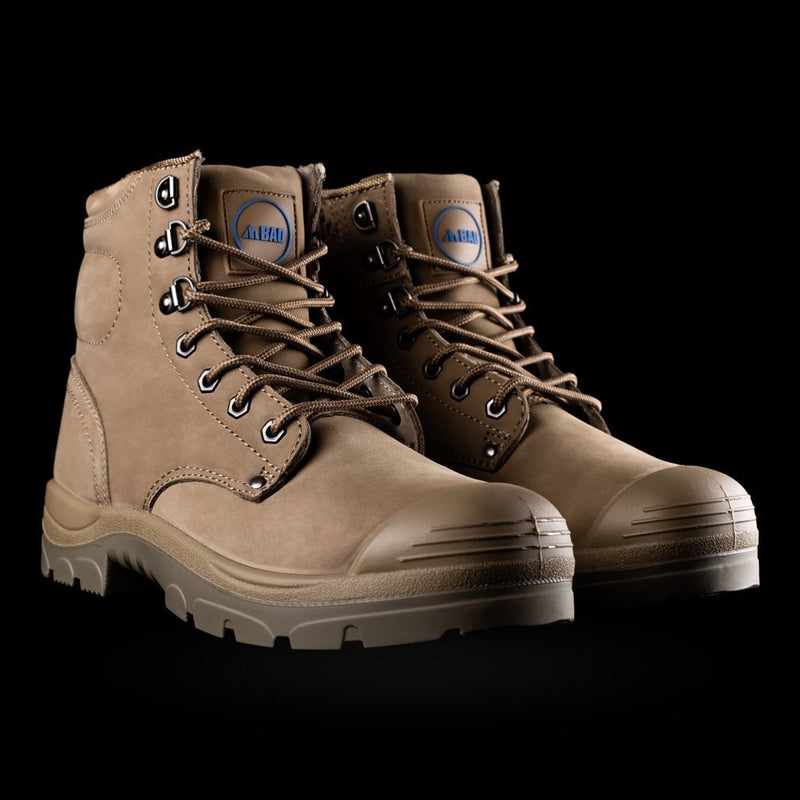

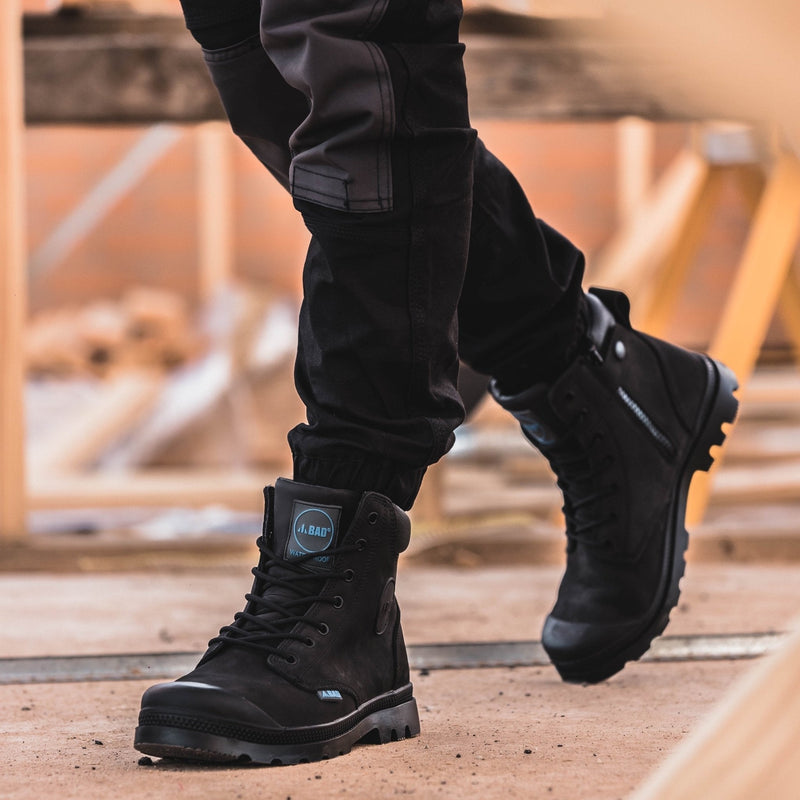
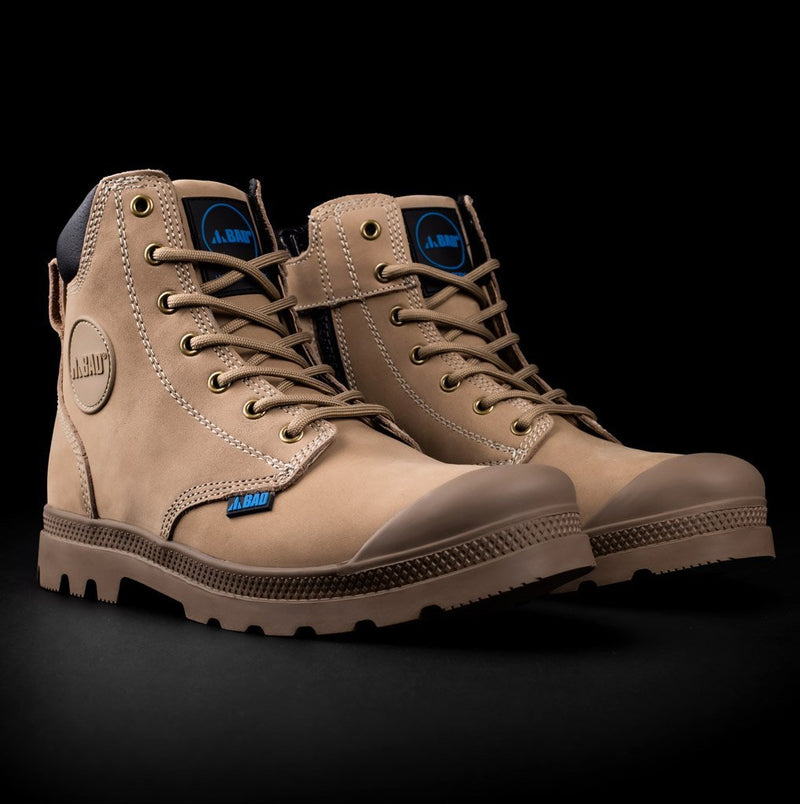
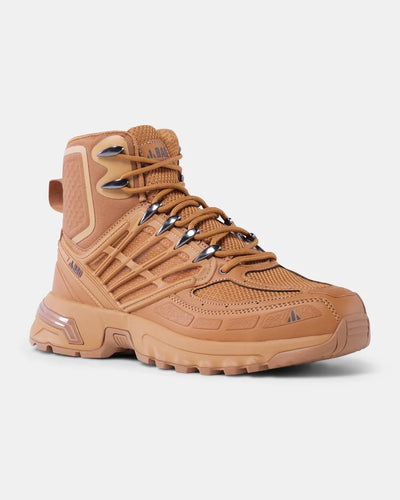
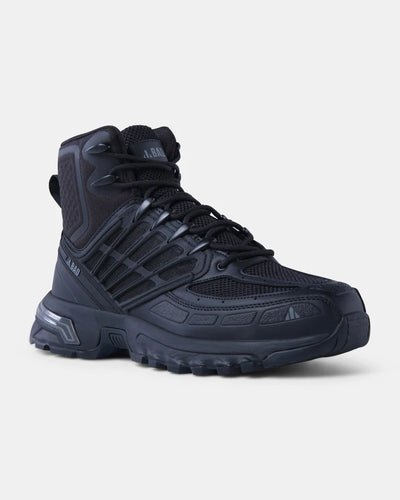
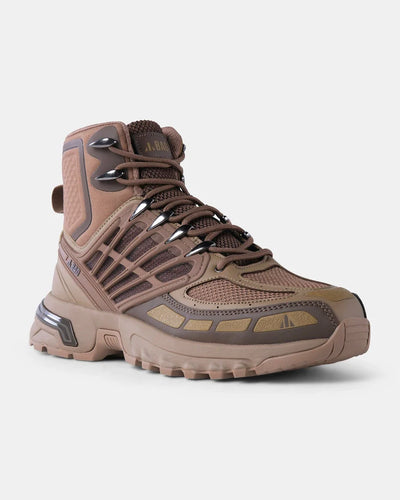



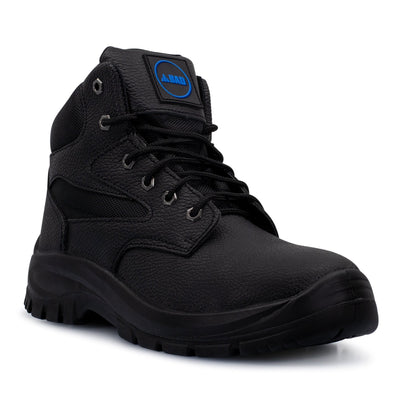

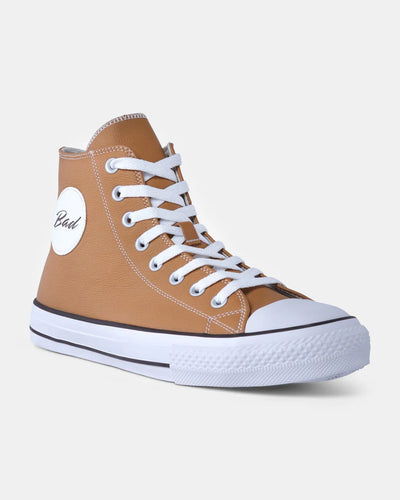

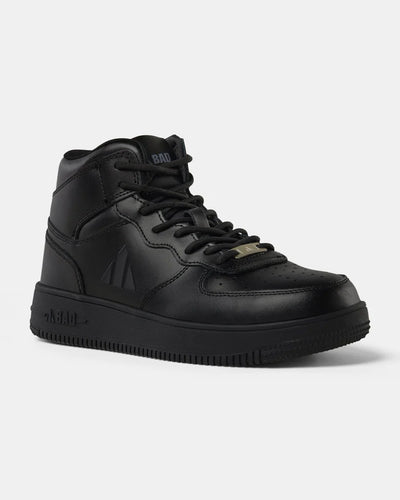
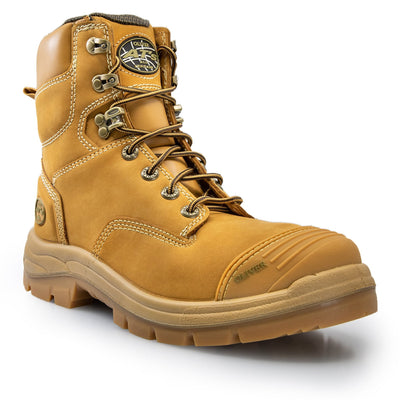
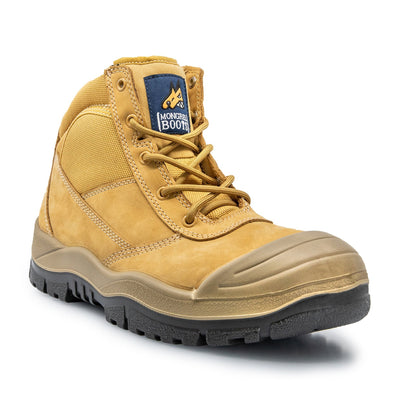


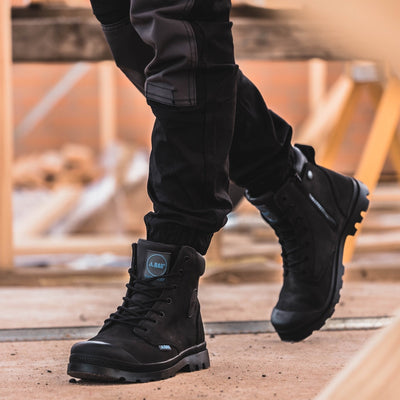
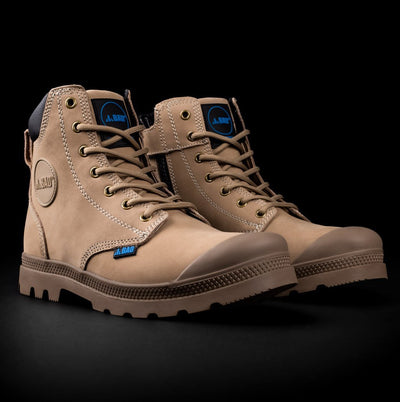


Choosing between steel toe and composite toe safety boots is one of the most important decisions you'll make for your workwear. Both offer excellent protection, but they excel in different environments and conditions.
Steel Toe Boots: The Traditional Choice
Steel toe caps have been the industry standard for decades, and for good reason. They provide exceptional impact and compression resistance, meeting or exceeding safety standards across most industries.
Advantages:
- Superior durability and longevity
- Excellent protection against heavy impacts
- Generally more affordable
- Thinner profile allows for better fit in tight spaces
Considerations:
- Heavier than composite alternatives
- Conducts heat and cold
- Sets off metal detectors
- Can be uncomfortable in extreme temperatures

Composite Toe Boots: Modern Innovation
Composite toe caps are made from non-metallic materials like carbon fiber, Kevlar, or fiberglass. They've gained popularity in recent years as technology has improved their protective capabilities.
Advantages:
- 30-50% lighter than steel toe boots
- Non-conductive (won't conduct electricity, heat, or cold)
- Airport and security-friendly (no metal detectors)
- Better insulation in extreme temperatures
Considerations:
- Typically more expensive
- Bulkier toe box
- May not be as durable in extremely harsh conditions
Making Your Decision
Consider your work environment: If you're working around electrical hazards or in extreme temperatures, composite toe boots are likely your best choice. For heavy construction, manufacturing, or environments with severe impact risks, steel toe boots offer unmatched protection and value.
Many professionals keep both types on hand, choosing based on the specific job requirements of each day.