


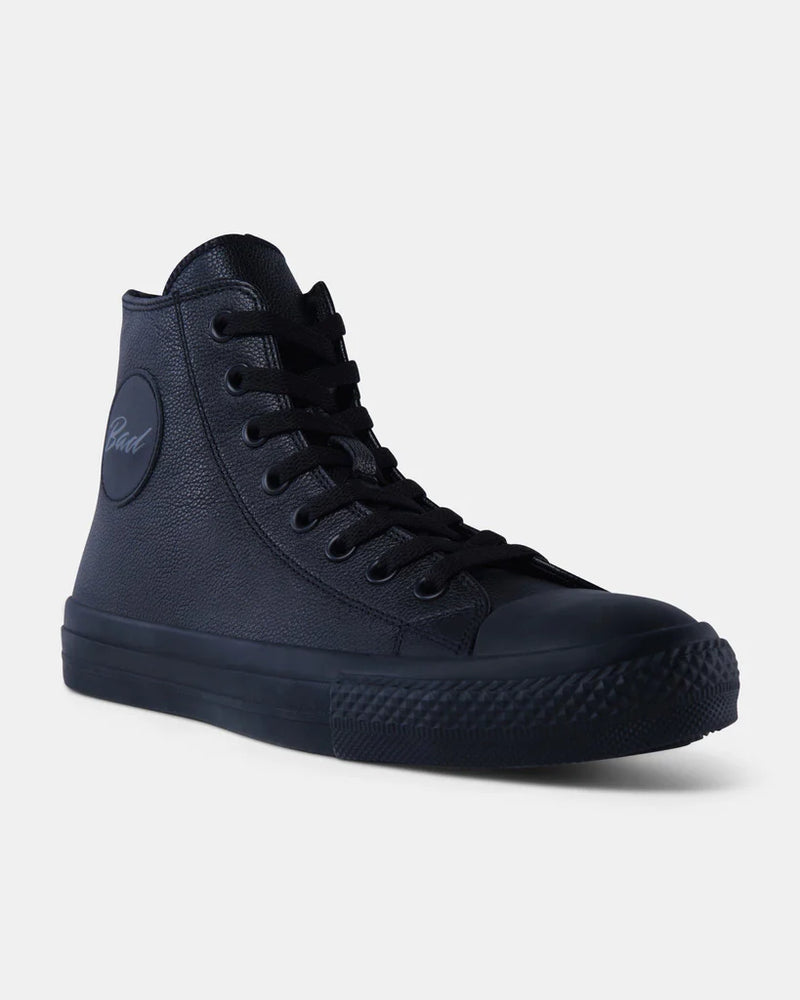
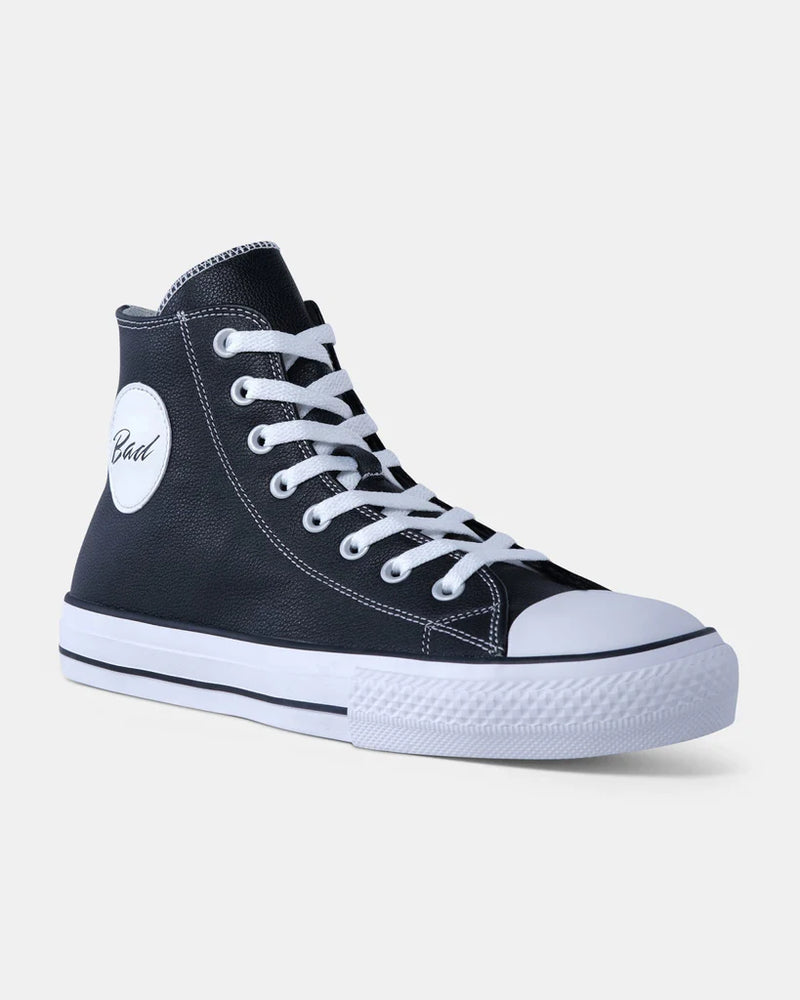
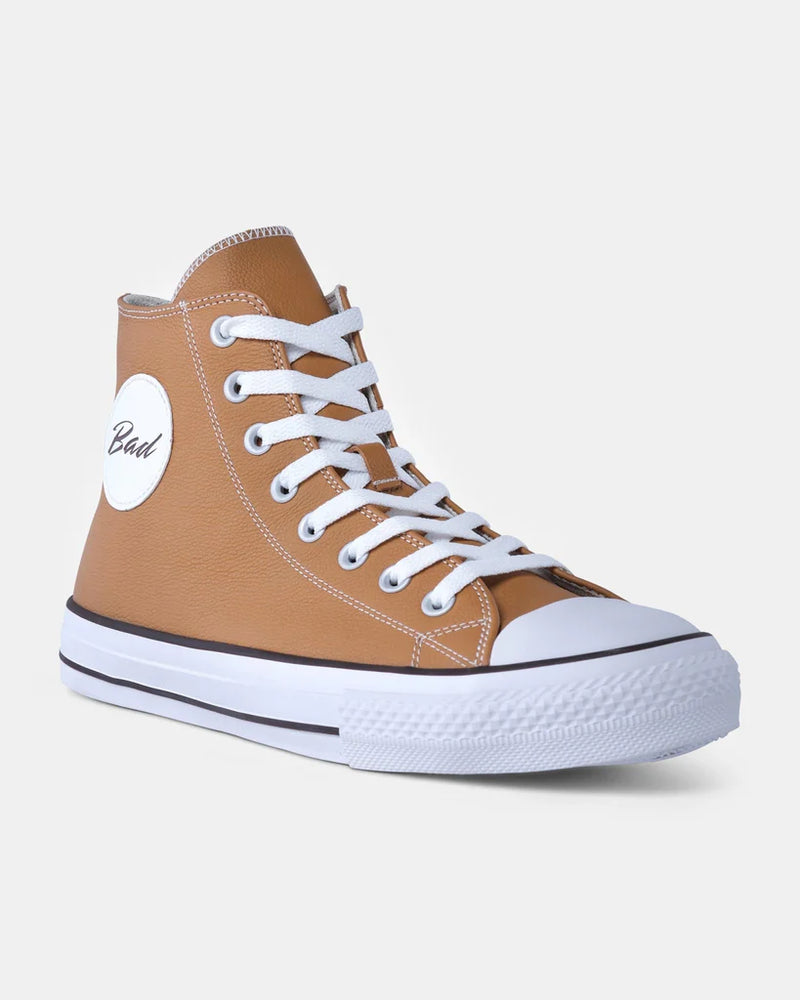
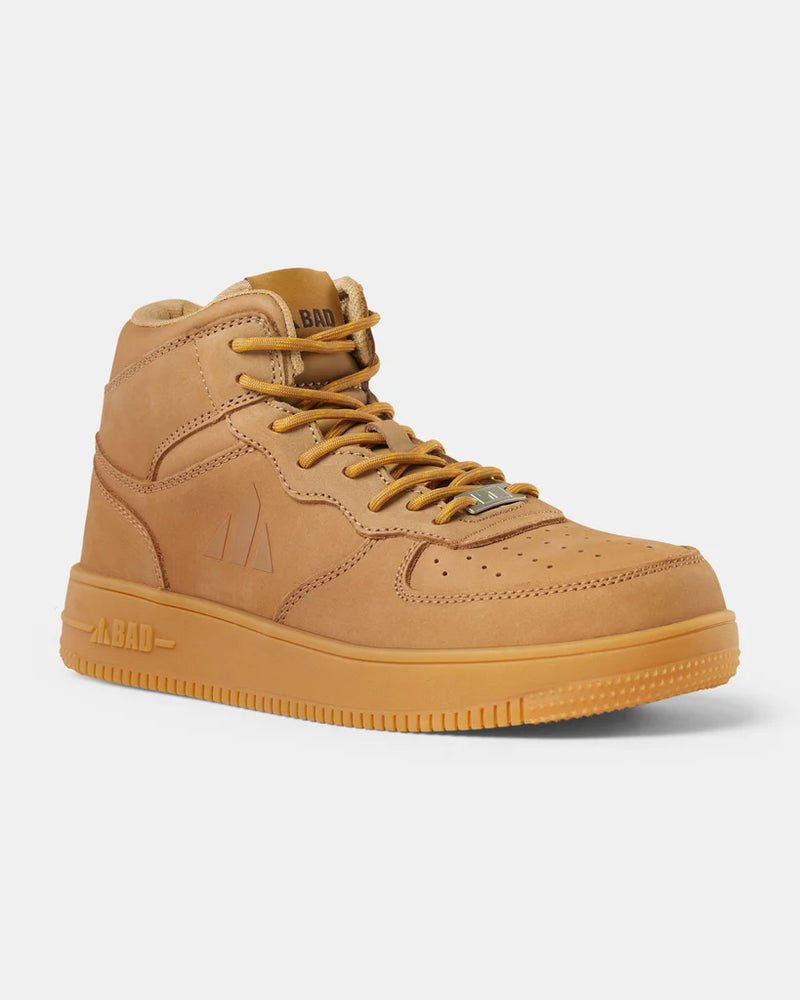

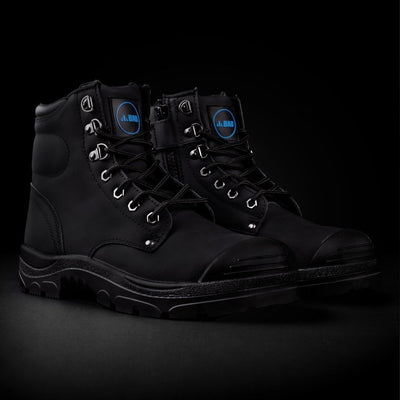
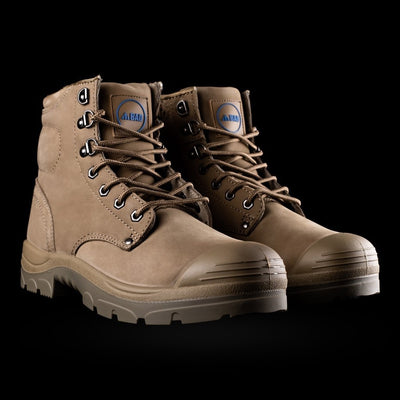
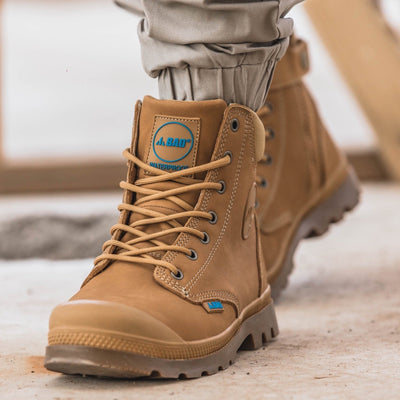
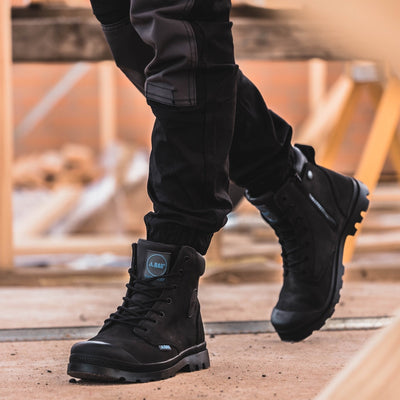
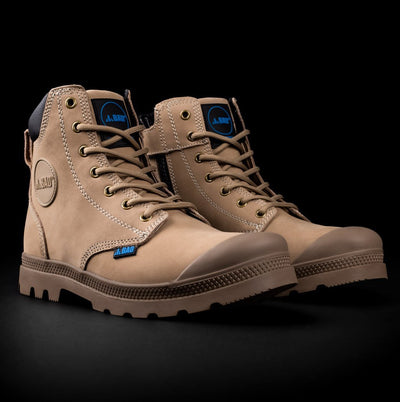


Slips, trips, and falls are among the most common workplace injuries. Understanding slip-resistant sole technology helps you choose footwear that keeps you safe.
How Slip Resistance Works
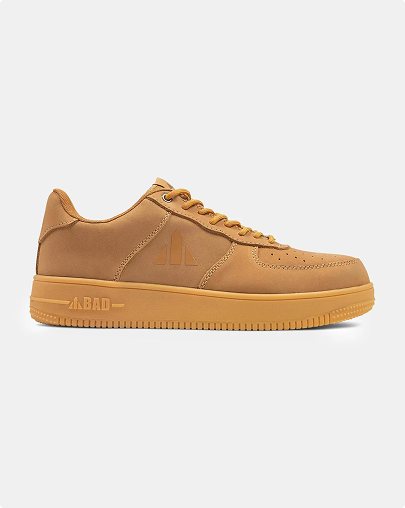
Slip-resistant soles use specialized rubber compounds and tread patterns to maximize grip on various surfaces. The rubber must be soft enough to conform to surface irregularities while remaining durable enough for long-term use.
Tread Patterns Matter
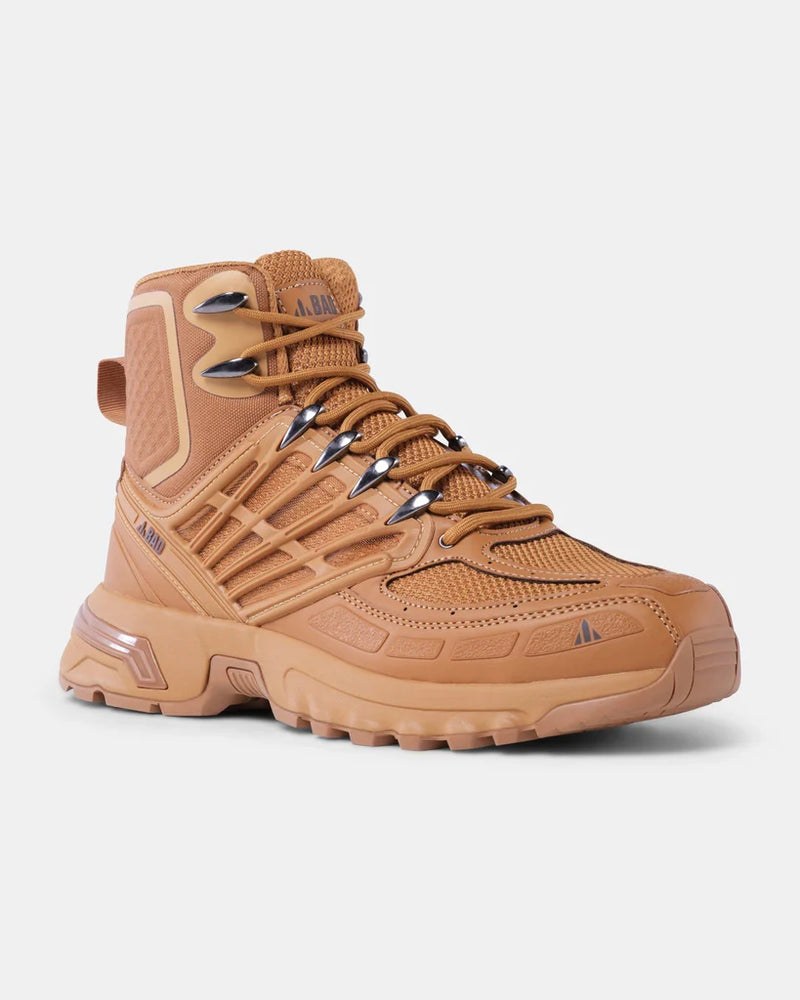
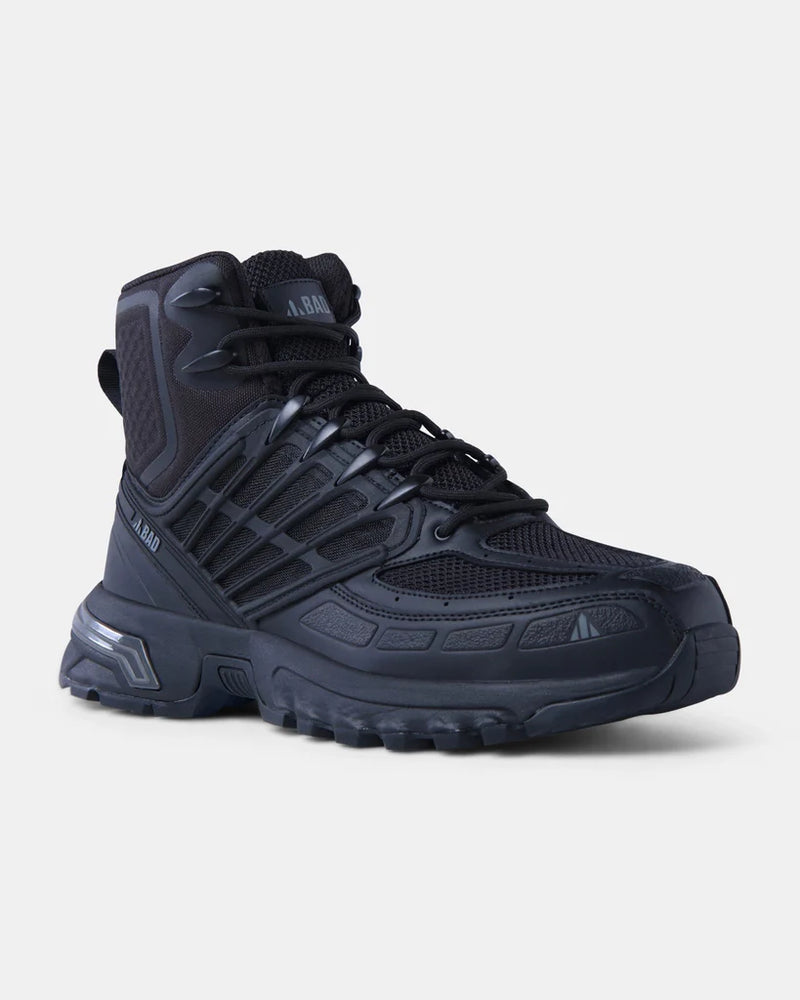
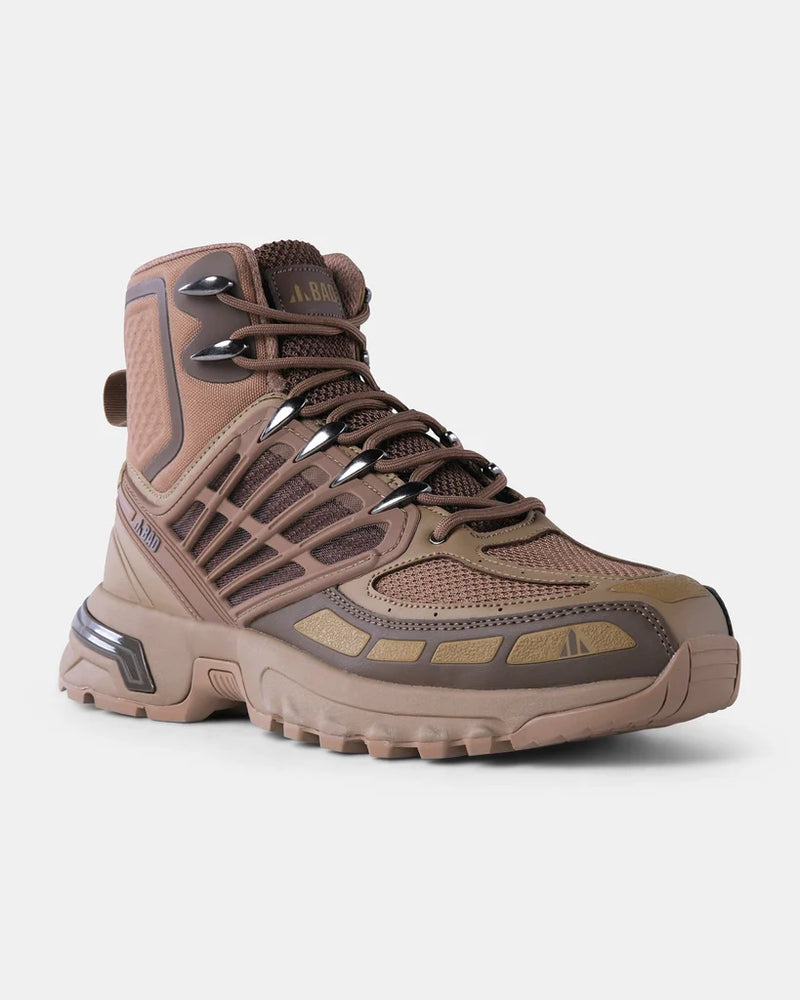
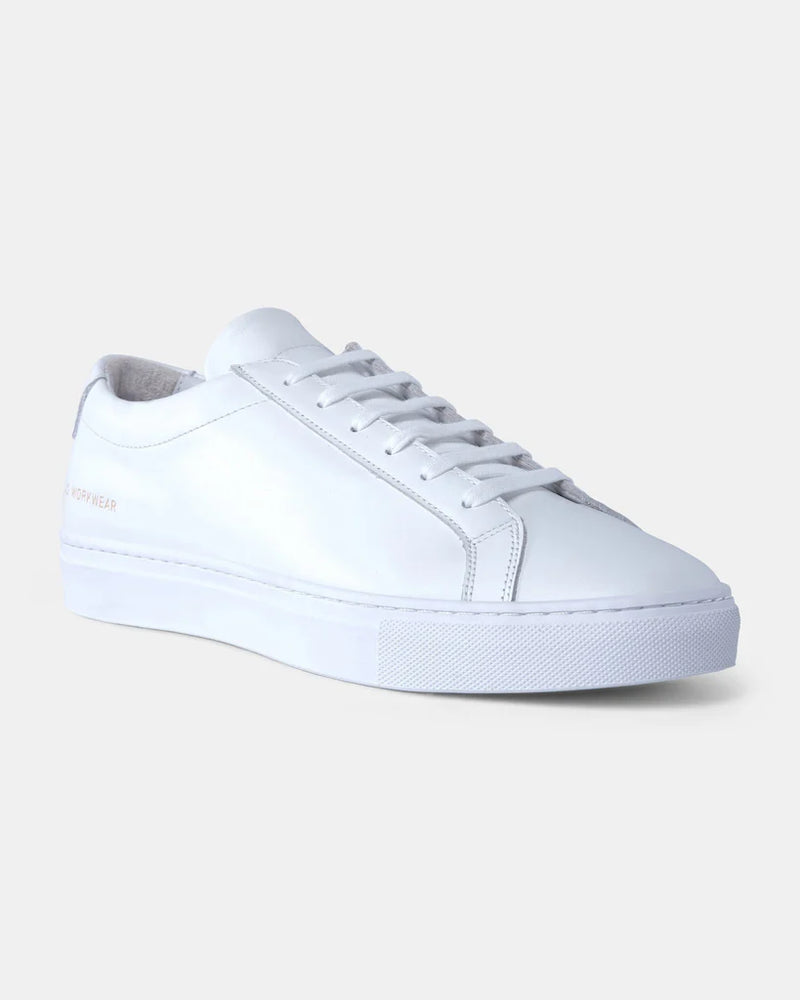
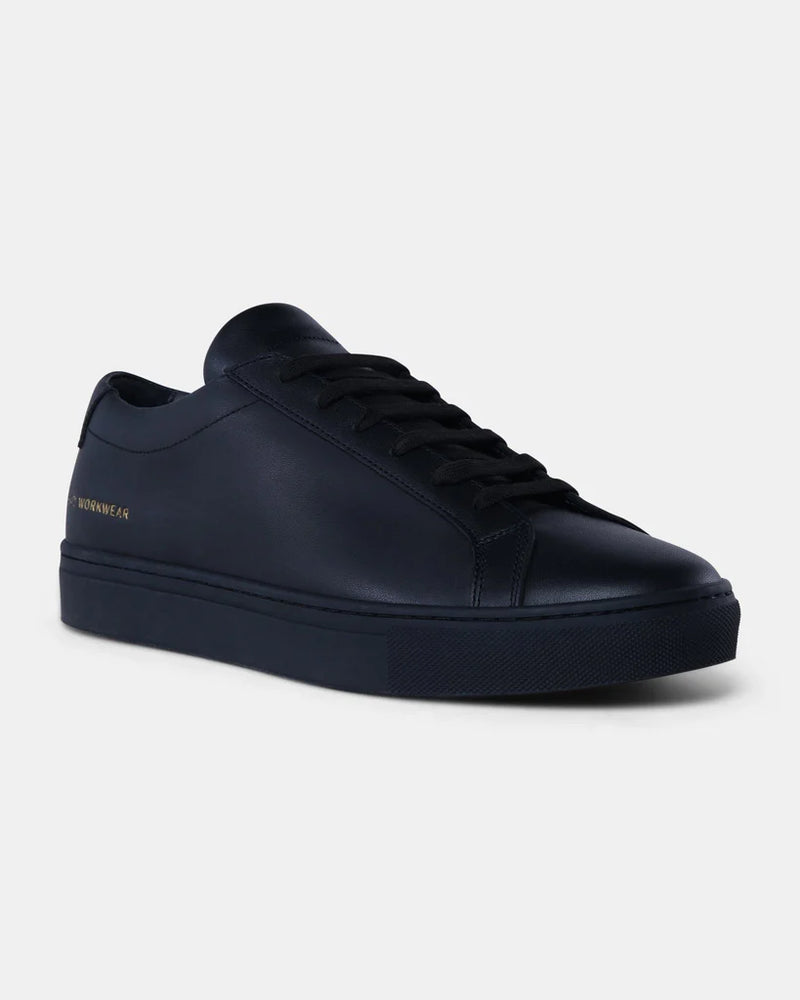
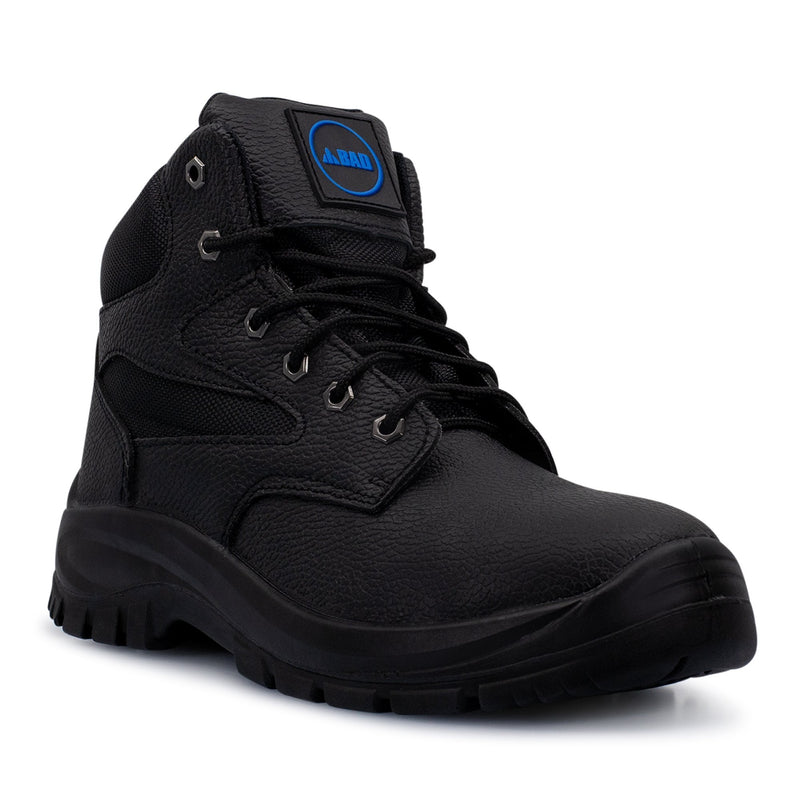
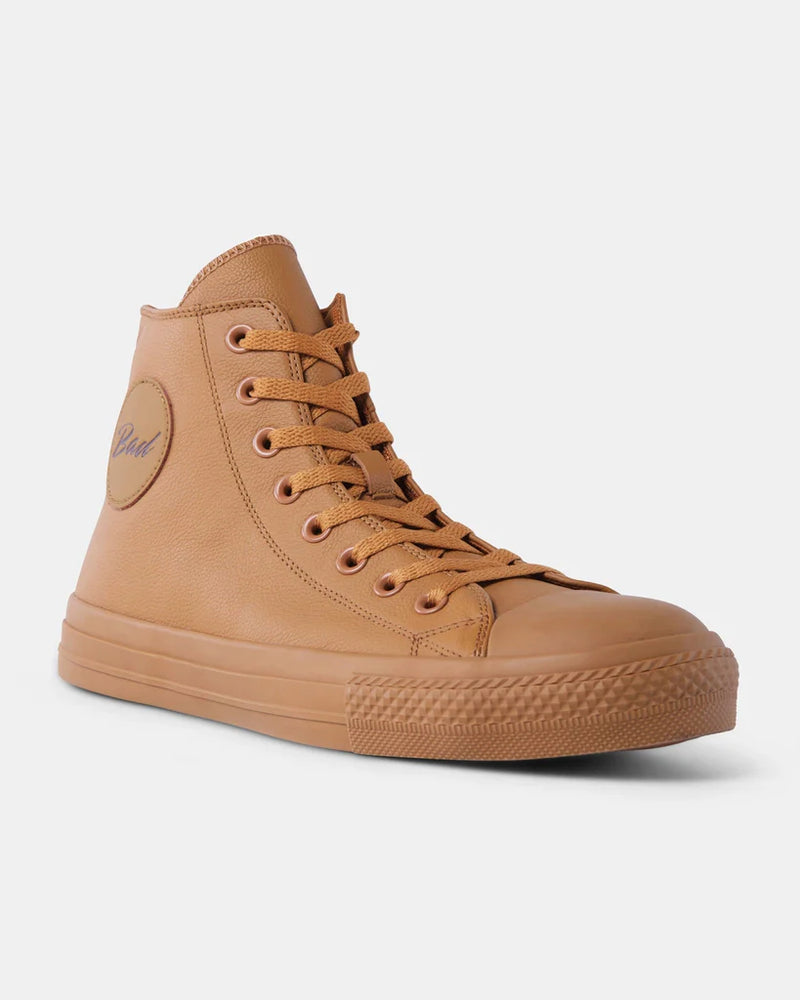
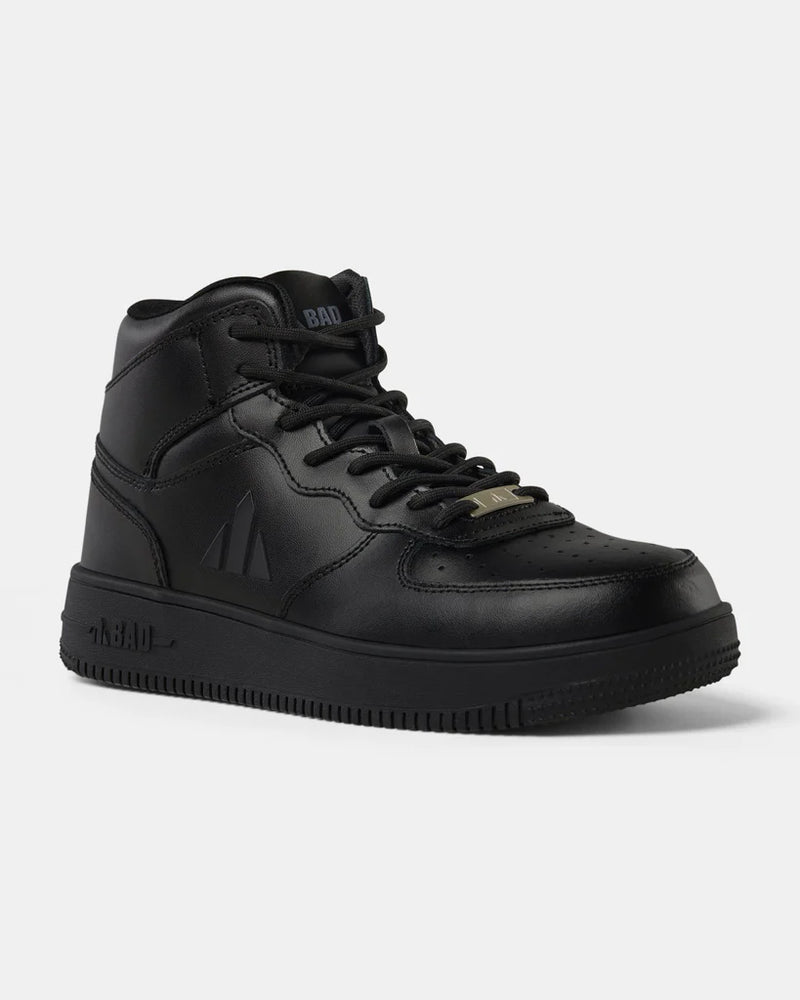
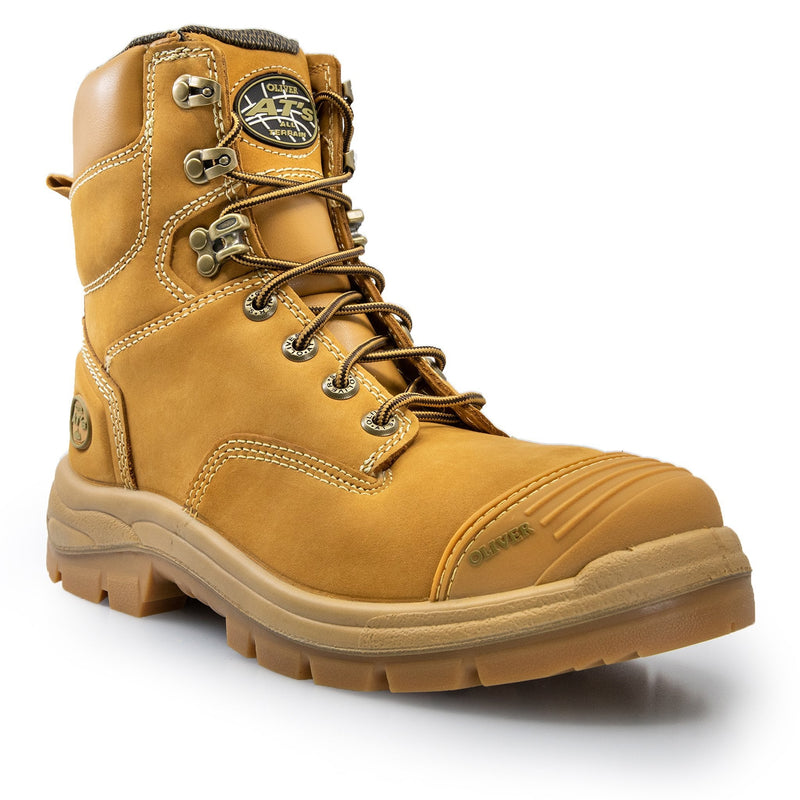
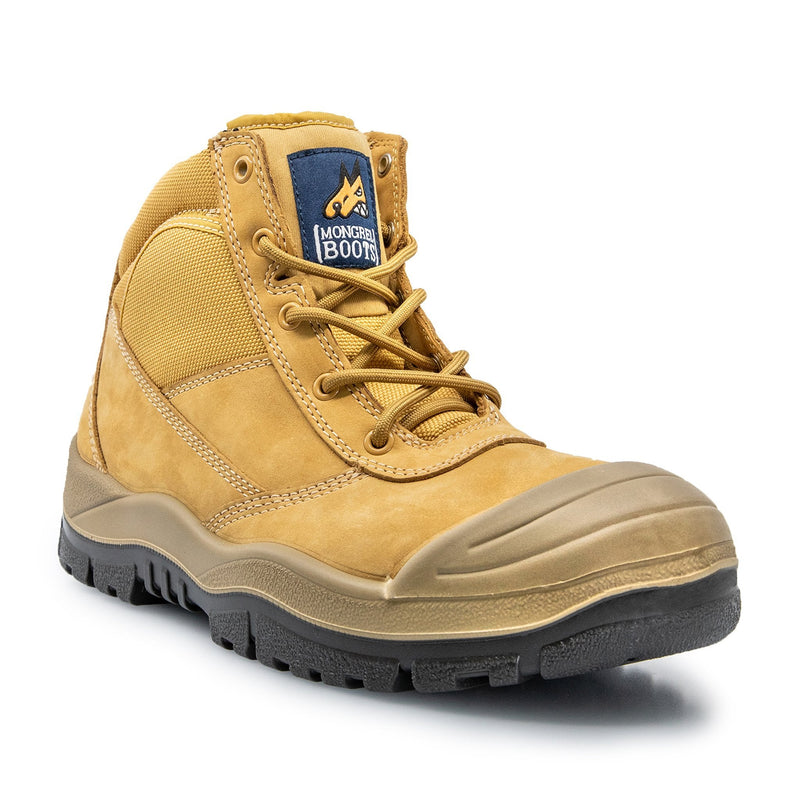
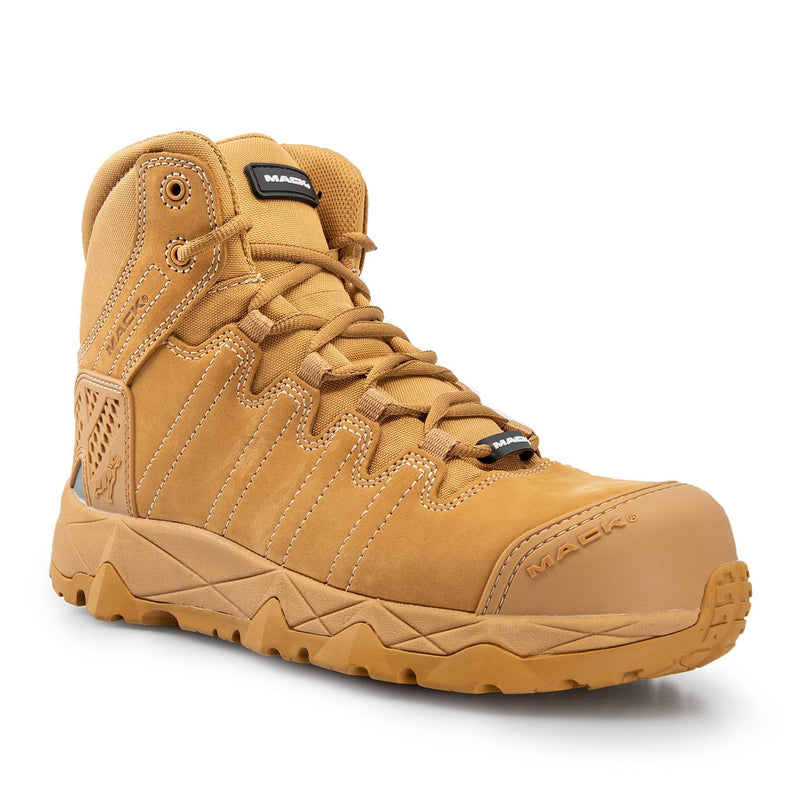
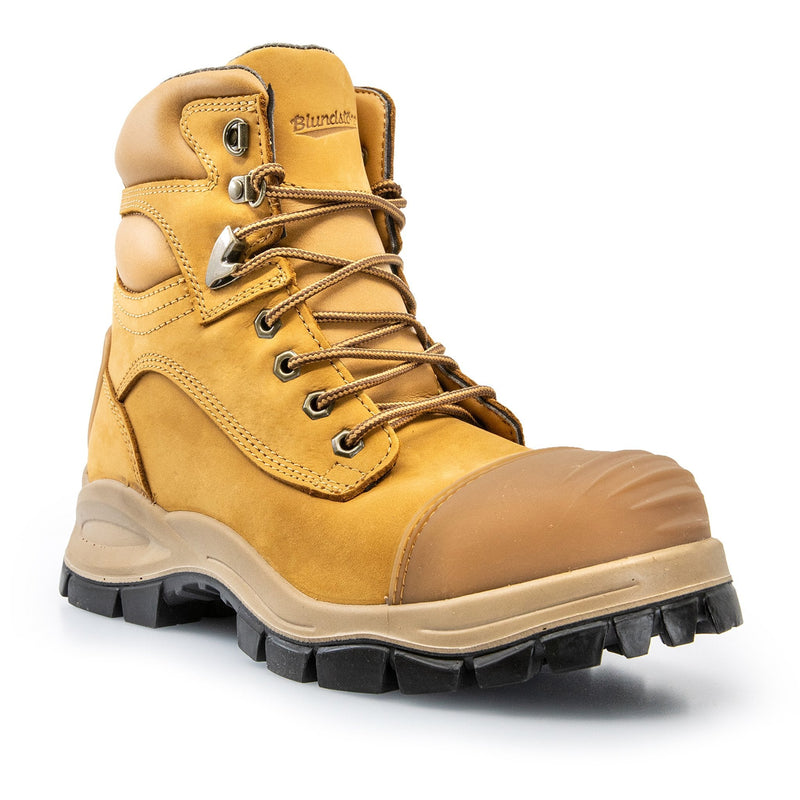
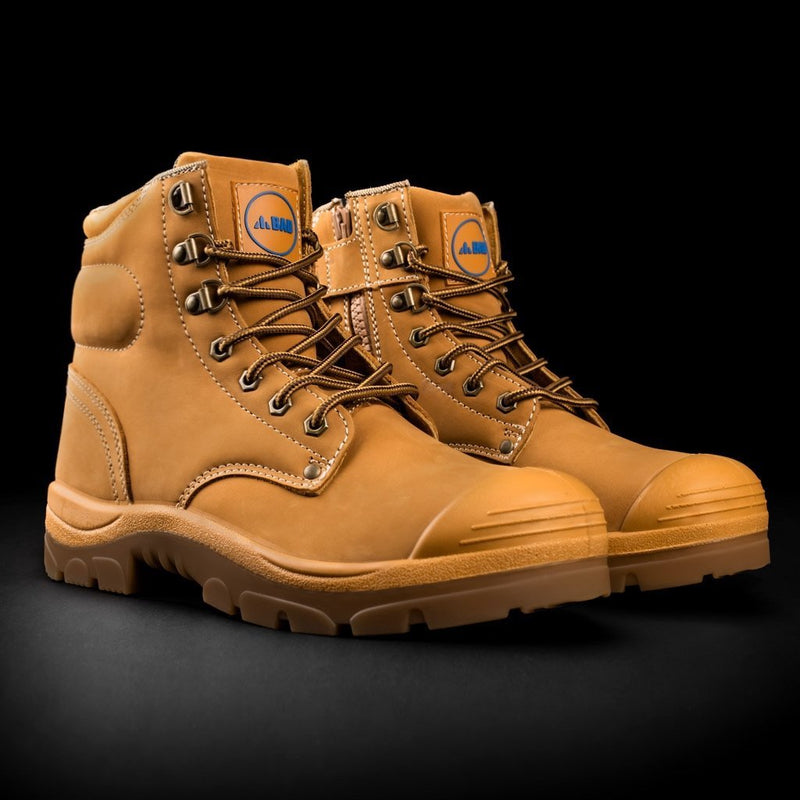
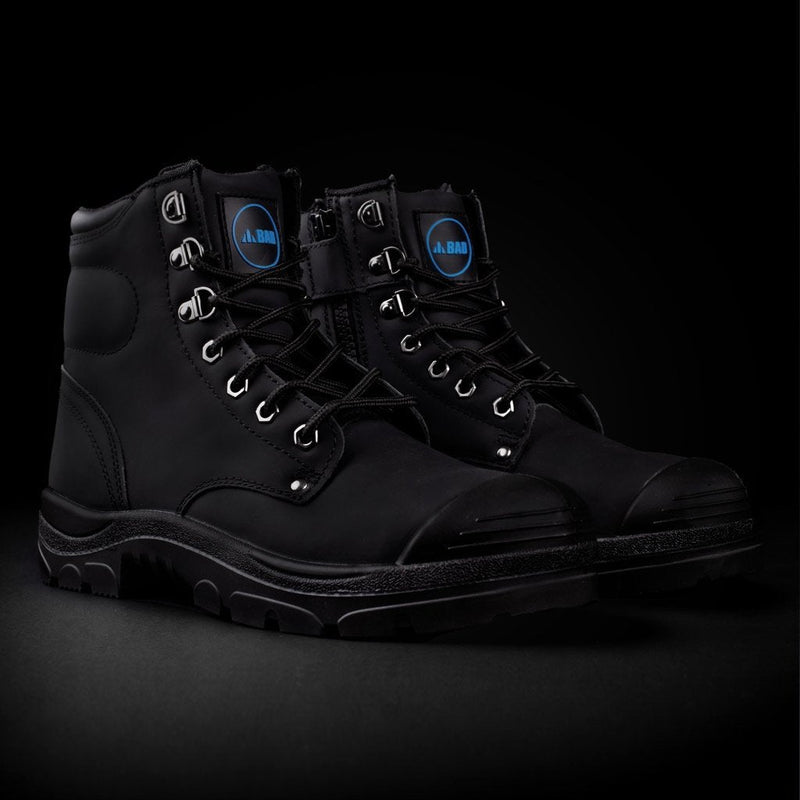
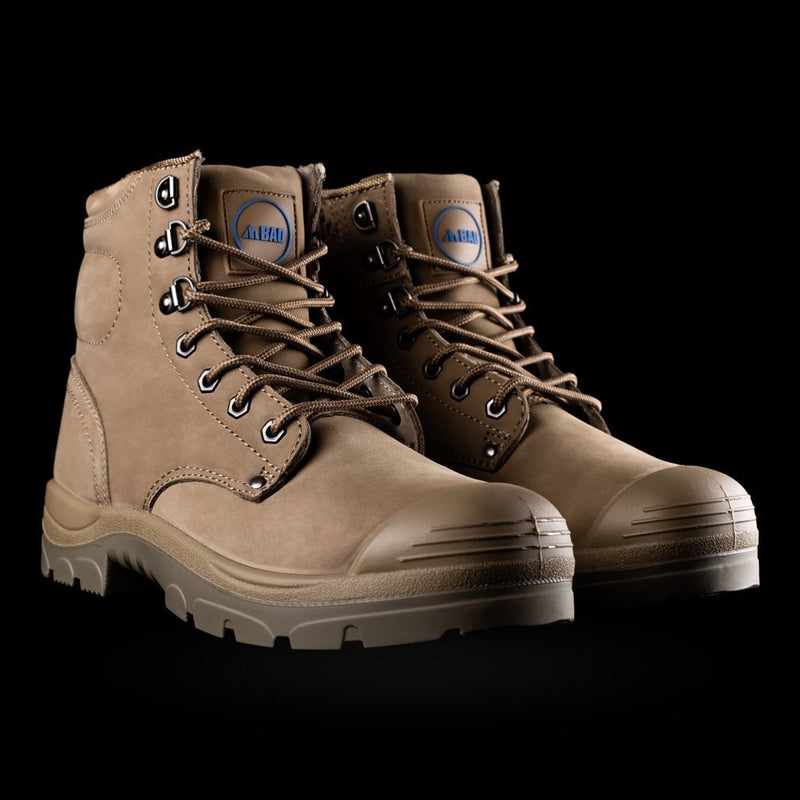
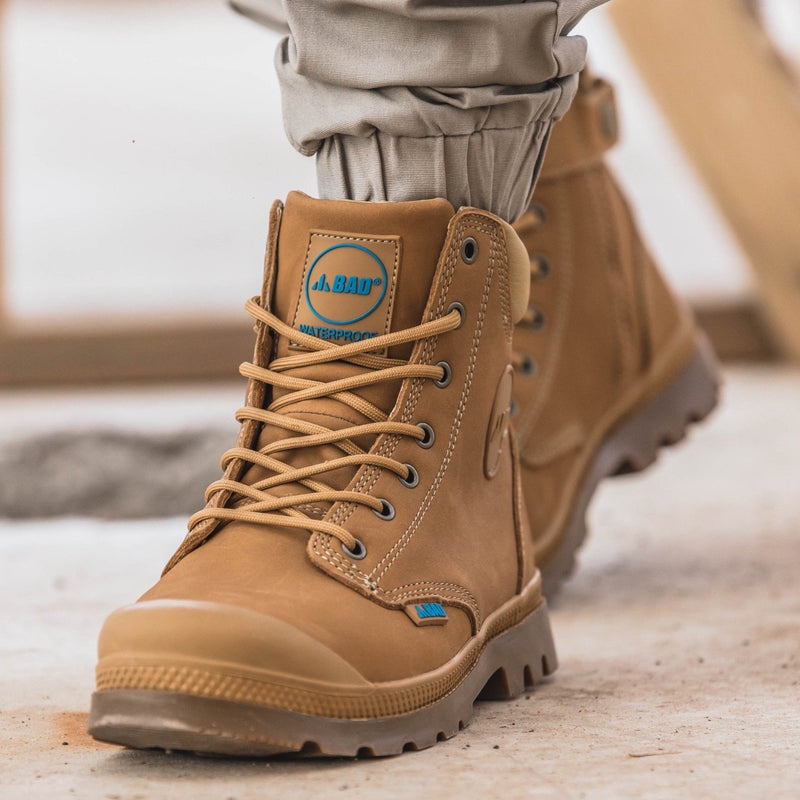
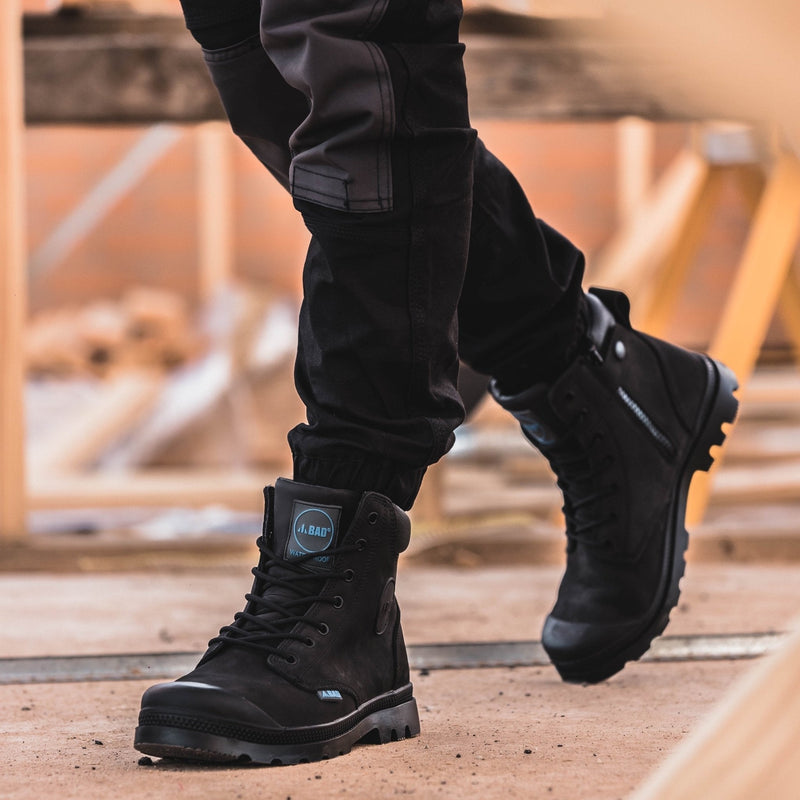
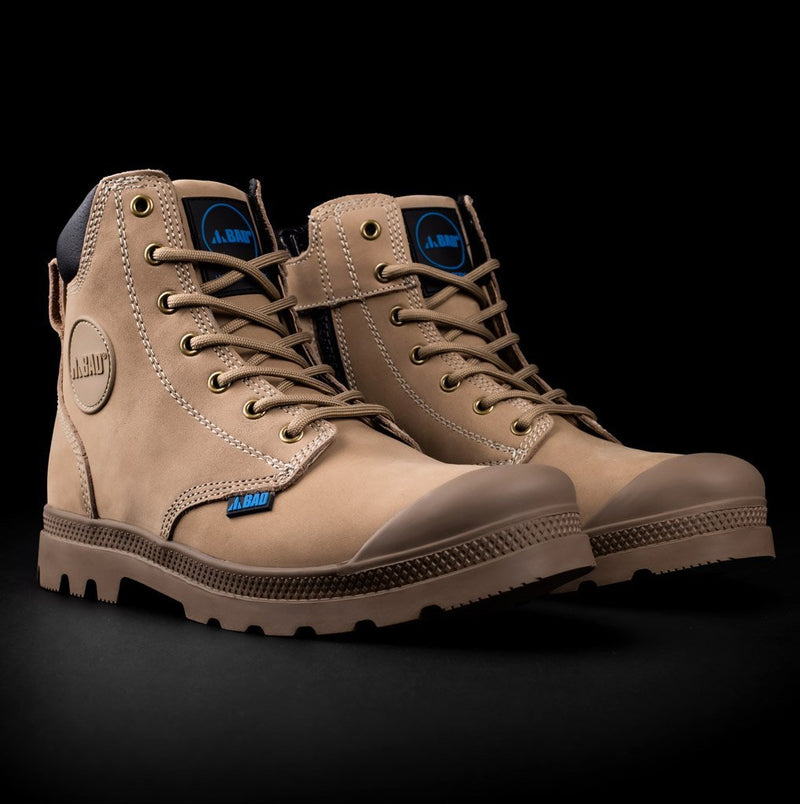
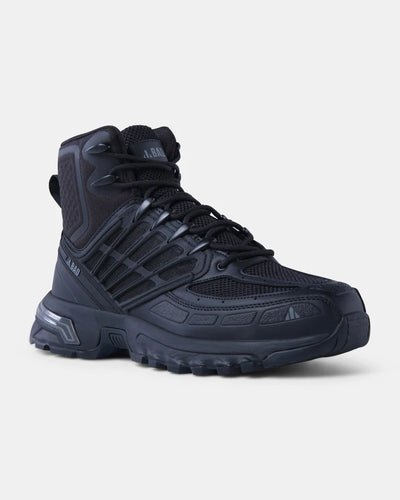
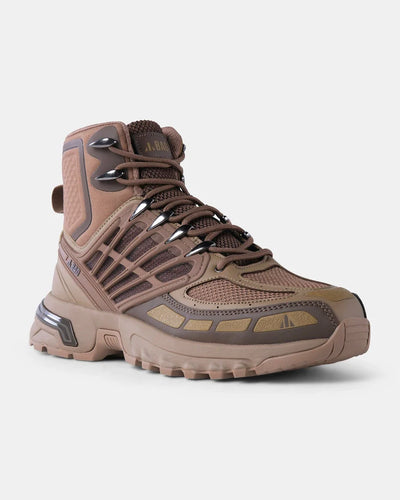
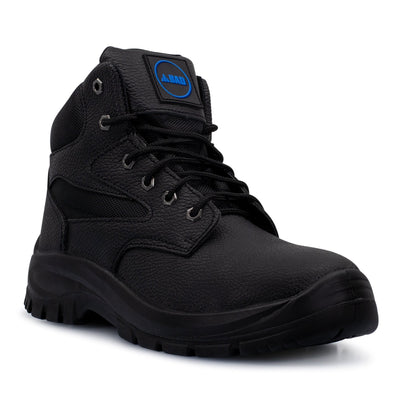
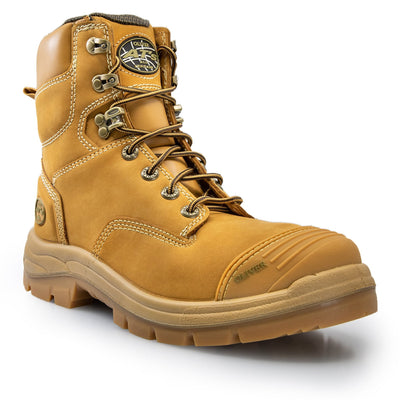
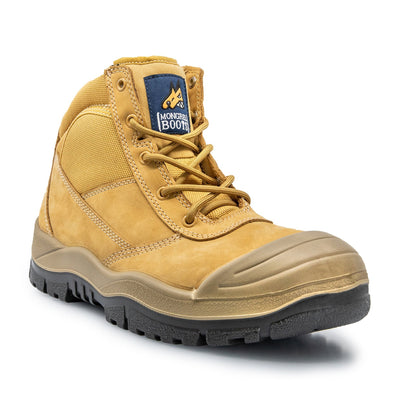
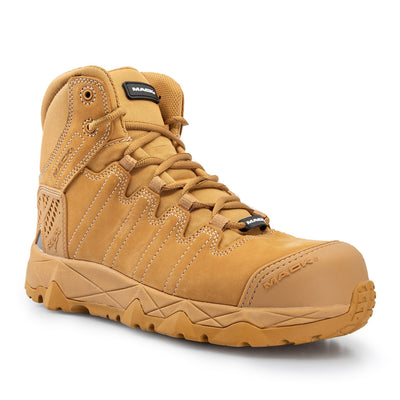
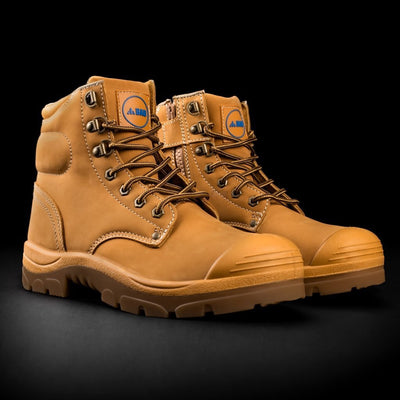
Deep, multi-directional treads channel liquids away from the contact surface, maintaining grip on wet floors. Smaller, tighter patterns work better on smooth surfaces, while larger lugs excel on rough terrain. Consider your primary work surface when selecting.
Sole Materials
Rubber compounds vary in slip resistance. Softer rubber grips better but wears faster. Harder rubber lasts longer but may not grip as well. Premium boots use dual-density soles combining both properties.
Testing Standards
Look for boots meeting ASTM F2913 or similar standards. These tests measure slip resistance on wet and oily surfaces. Higher coefficients of friction indicate better slip resistance.
Surface-Specific Needs
Kitchen workers need oil-resistant soles. Construction workers need soles that grip on mud and debris. Warehouse workers need soles that perform on smooth concrete. Match your sole to your environment.
Maintenance
Clean soles regularly—embedded debris reduces grip. Inspect tread depth monthly. Replace boots when tread wears smooth. Even the best slip-resistant sole can't protect you if it's worn out.
Remember
Slip-resistant soles reduce risk but don't eliminate it. Walk carefully, watch for hazards, and keep work areas clean and dry when possible.