







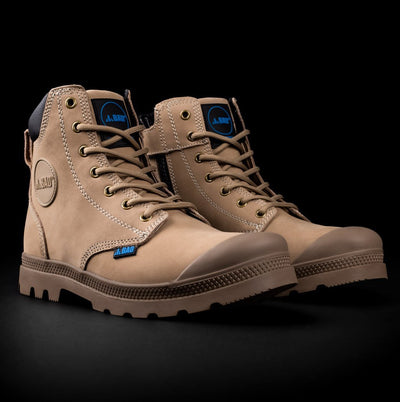


For workers exposed to fire, arc flash, or explosive hazards, flame resistant (FR) workwear isn't optional—it's lifesaving personal protective equipment.
What Makes Clothing FR?
Flame resistant clothing is made from fabrics that self-extinguish when the ignition source is removed. Unlike regular clothing that continues burning, FR garments protect skin from heat and flames, providing crucial seconds to escape danger.
FR vs Fire Retardant
Inherently FR fabrics like Nomex and Kevlar have flame resistance built into their fibers—it won't wash out. Fire retardant fabrics are chemically treated and can lose effectiveness over time and washing. Know which type you have and care for it accordingly.
Industries Requiring FR Clothing
Oil and gas, electrical utilities, welding, chemical processing, and firefighting all require FR workwear. Even if not legally required, if you work near open flames, hot materials, or electrical hazards, FR clothing is essential.
Proper Fit and Coverage
FR clothing must cover all exposed skin. Gaps between shirt and trousers or rolled-up sleeves defeat the purpose. Clothing should fit properly without being too tight or loose—both create hazards.
Care and Maintenance
Follow manufacturer washing instructions exactly. Use approved detergents without fabric softeners or bleach, which can reduce FR properties. Inspect garments regularly for wear, and retire damaged items immediately.
Never Compromise
Don't wear non-FR layers under FR clothing—they can melt onto skin. Don't modify FR garments. Replace worn items promptly. Your life depends on this clothing working as designed.