







Working outdoors in winter requires smart layering to stay warm, dry, and mobile. Here's how to build the perfect winter workwear system.
The Three-Layer System
Effective winter layering uses three distinct layers: base layer for moisture management, mid layer for insulation, and outer layer for weather protection. Each serves a specific purpose.
Base Layer: Moisture Management
Your base layer should be moisture-wicking synthetic or merino wool—never cotton, which holds moisture and makes you cold. It should fit snugly without restricting movement. This layer keeps sweat away from your skin.
Mid Layer: Insulation
Fleece, wool, or synthetic insulation provides warmth by trapping air. The thickness depends on temperature and activity level. Active workers need less insulation than static workers. This layer should be easy to remove if you warm up.
Outer Layer: Weather Protection
Your outer shell should be windproof and waterproof while remaining breathable. Look for sealed seams, adjustable cuffs, and adequate length to cover your lower back when bending.
Don't Forget Extremities
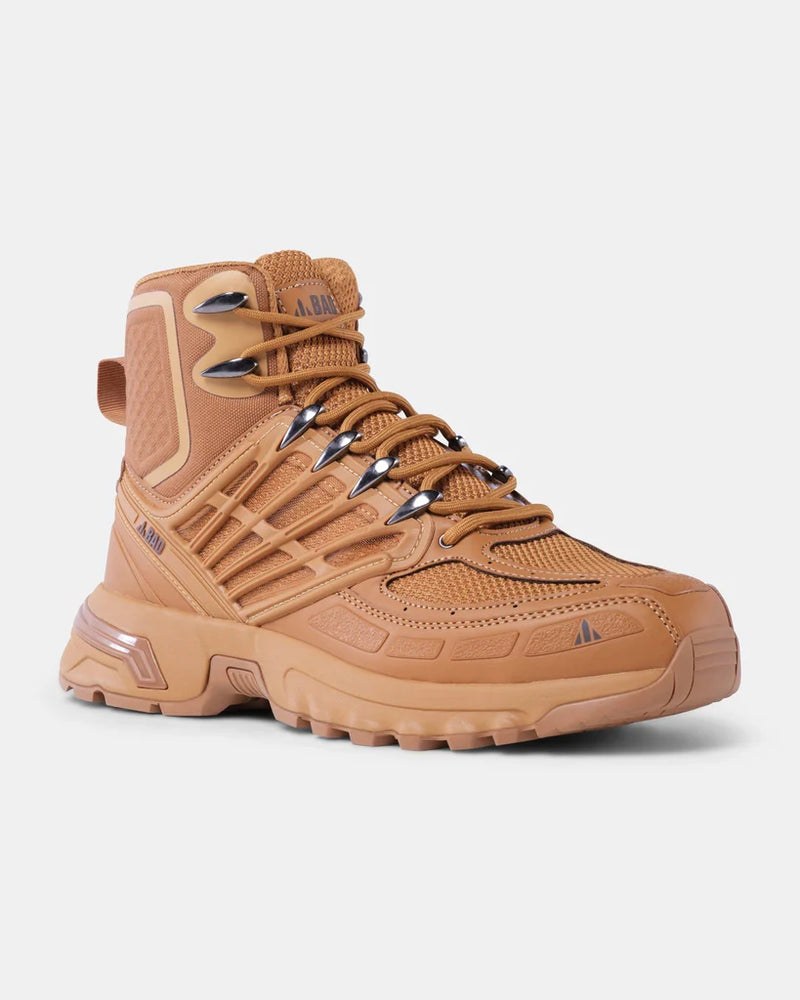
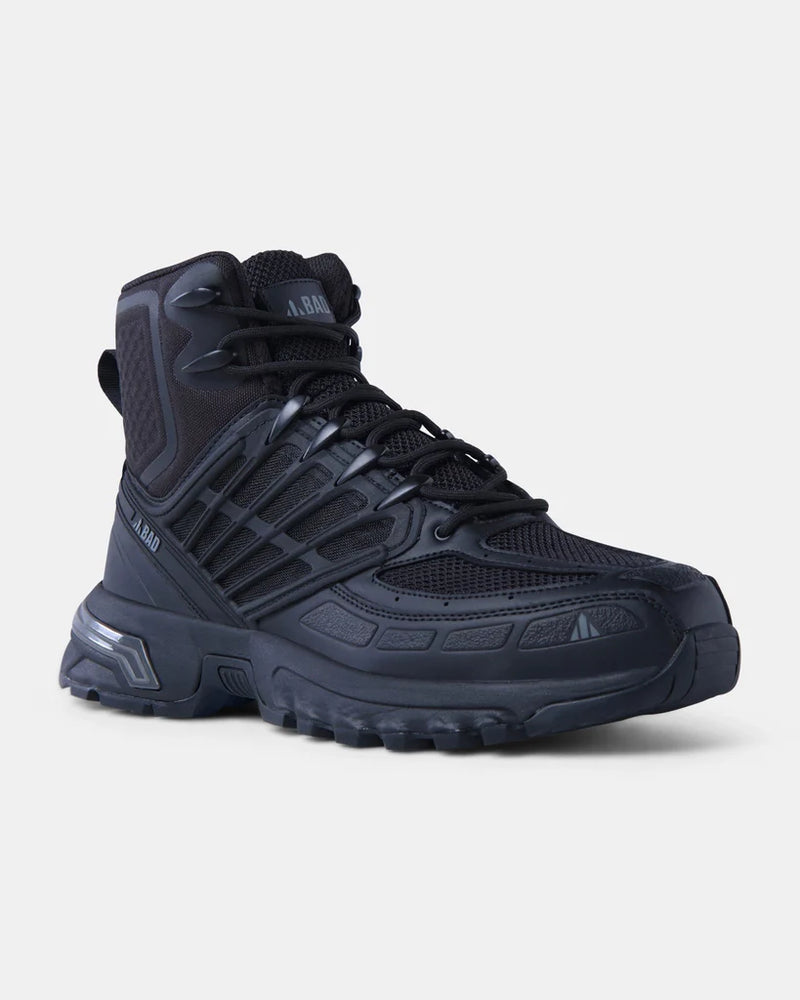
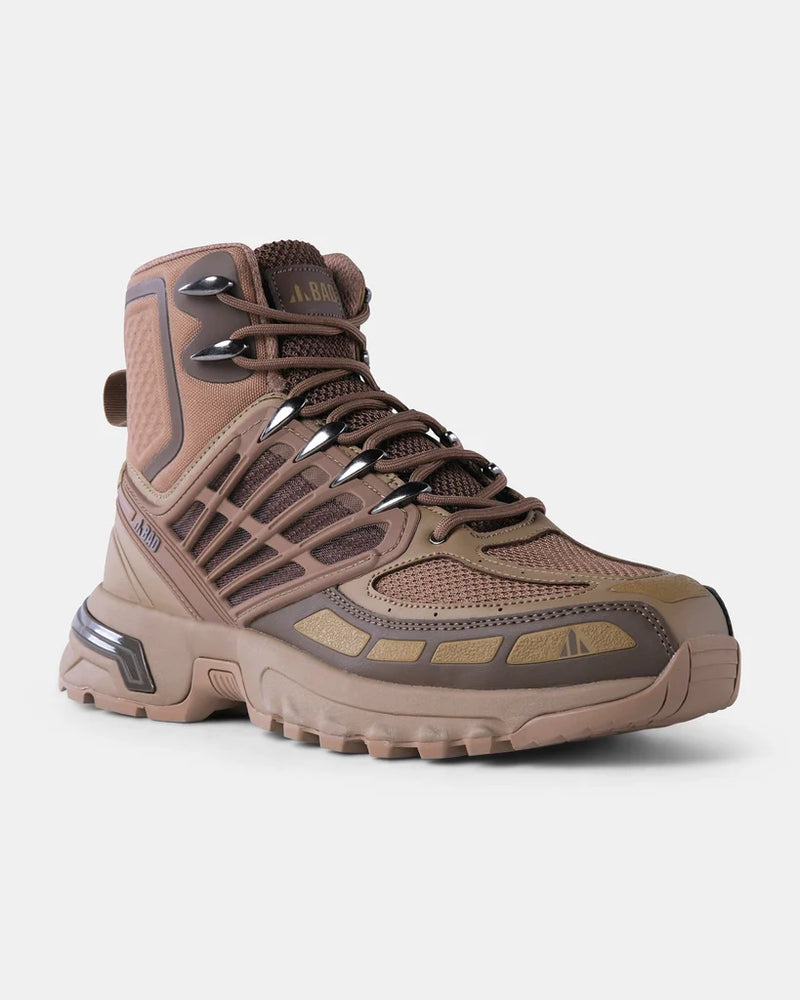
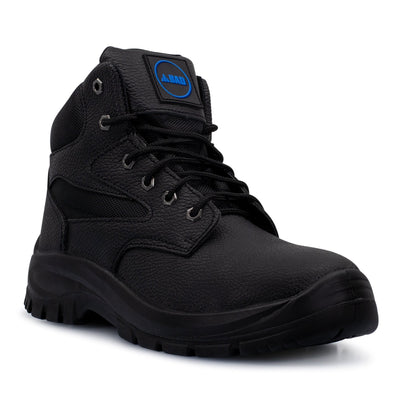
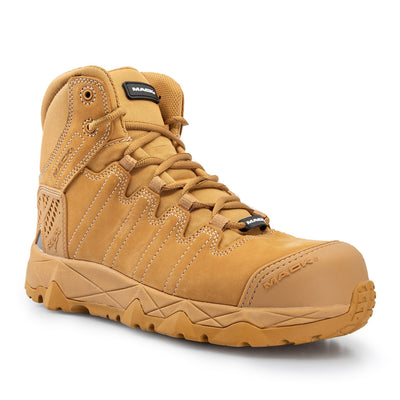
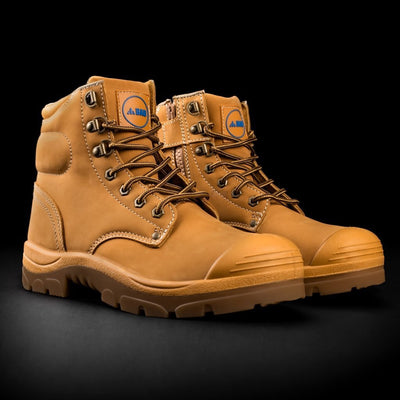
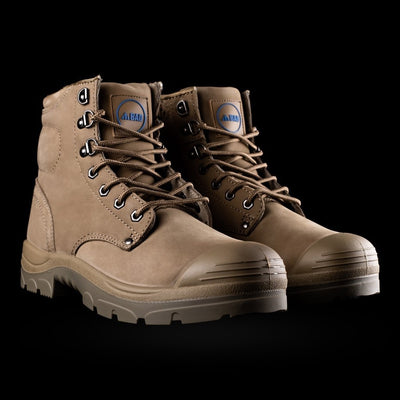
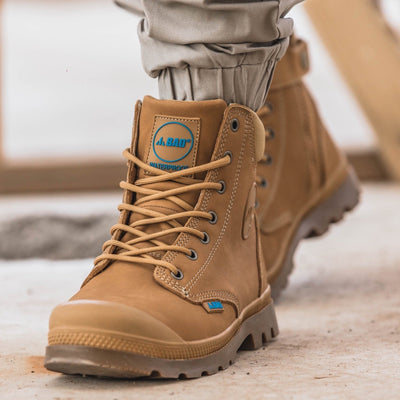
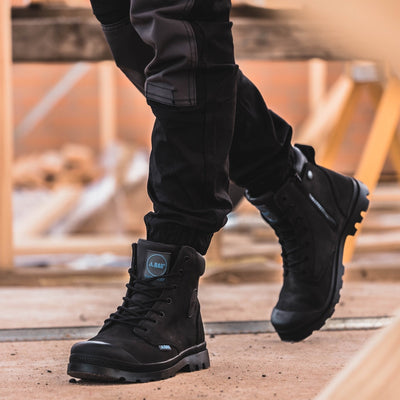
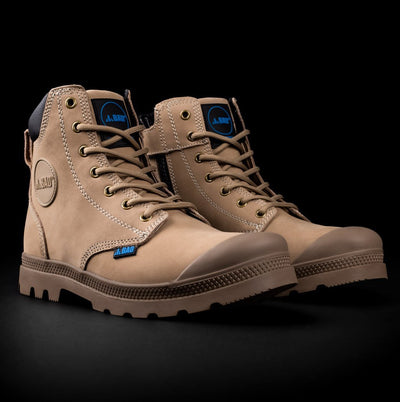
Hands, feet, and head lose heat rapidly. Invest in quality insulated work gloves, thermal socks, and a warm beanie or hard hat liner.
Adjust Throughout the Day
Remove layers before you start sweating. Moisture is your enemy in cold weather. It's better to feel slightly cool when you start working than to overheat later.